In 2010, sharing photos was an uphill battle. Between DVDs, USB drives and forums, discover how today's solutions revolutionized our daily lives.
In 2010, sharing photos online was an uphill battle. This era seems prehistoric today, yet it's only about fifteen years old.
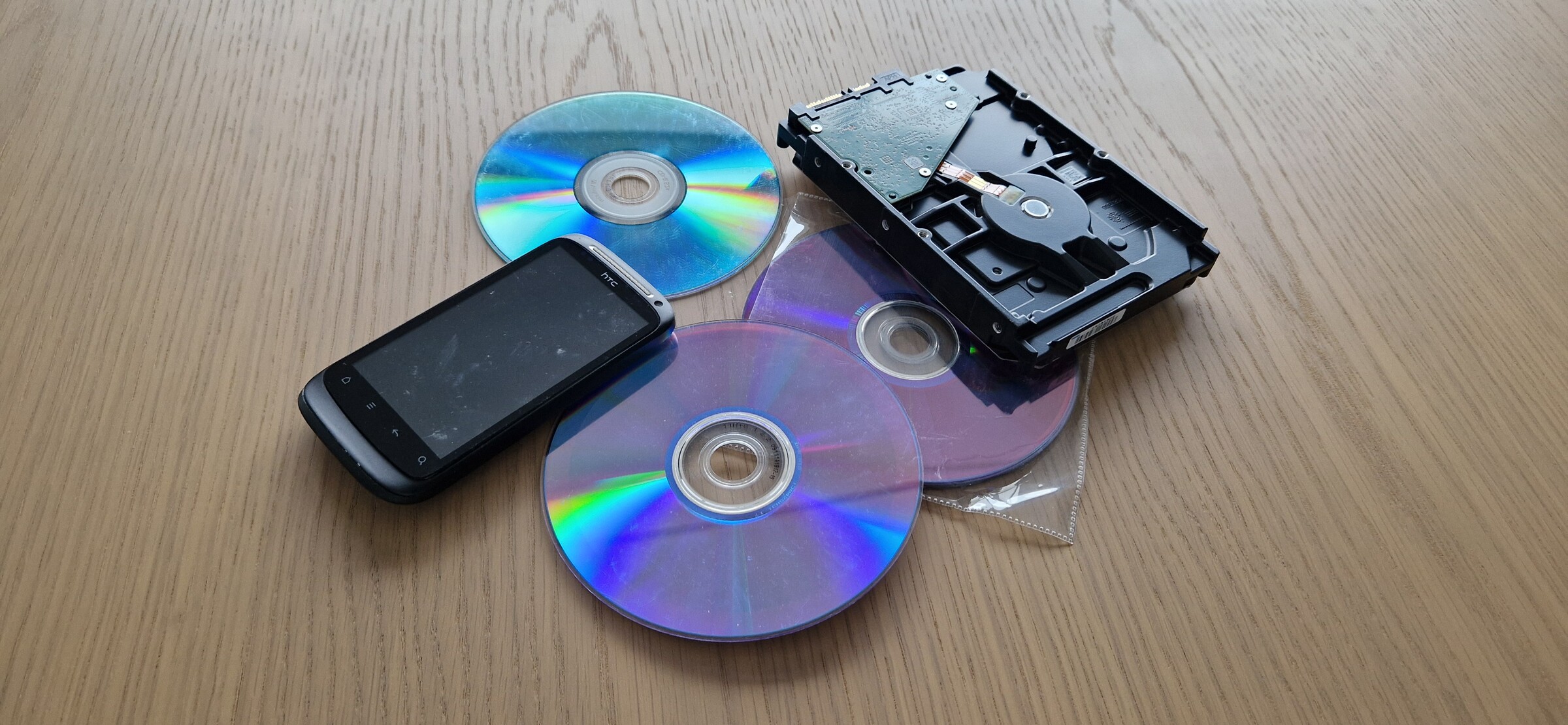
Professional photographers systematically delivered their images on DVD or USB drives. Newlyweds received their wedding photos in a plastic sleeve, then had to organize the distribution to guests themselves. Imagine: duplicating dozens of physical media, sending them by postal mail, waiting for everyone to receive them. Heavy logistics, expensive and time-consuming.
At that time, Dropbox was just beginning to emerge with its few free gigabytes. WeTransfer hadn't yet entered common usage. As for social networks like Facebook, they compressed images so heavily that any quality printing became almost impossible. Photographers categorically refused to publish their creations there.
The golden age of forums and image hosting
Another universe dominated the Internet: specialized forums. Enthusiasts of mechanics, photography or computing shared their tutorials with images hosted via external services. These hosting platforms generated BBCode or HTML links that users integrated directly into their messages.
It was in this particular context that My-Share.fr was born. The idea seemed obvious: create collaborative galleries where everyone could upload their photos and automatically generate integration codes for forums. No more complex manipulations, welcome simplicity.
Rapid success but an economic lesson
Success was immediate. Within a few years, the site hosted thousands of photos viewed nearly a million times. Forum communities massively adopted this solution that simplified their visual exchanges.
But a major problem quickly emerged: image hosting is expensive. Very expensive. Each uploaded photo represents a storage and bandwidth cost. Without an economic model, without advertising, the project relied solely on personal funding that proved insufficient in the face of growth.
This experience constituted a fundamental first entrepreneurial lesson: a service useful to users must also be economically viable to endure. A reality that many startups still discover today, often too late.
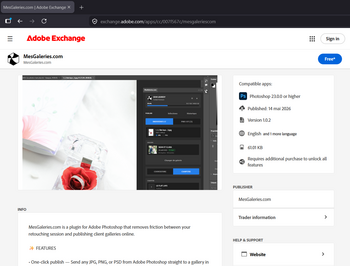
Fifteen years later, web giants have solved this equation by monetizing our data or offering premium subscriptions. But at the time, these models weren't yet democratized. Today, mesgaleries.com runs on clear plans, including a free one, with no advertising.